
Anúncios
Why This Topic Matters
The automotive world keeps changing, and modern vehicles need more than basic guesswork. Today’s mechanics deal with electronic systems, sensors, diagnostics, safety features, and software driven components. That reality makes early training more valuable than ever.
A free course gives learners a chance to test their interest before they invest in expensive training. It also helps them build a foundation in a field that rewards consistency, attention to detail, and hands on practice. For many people, that first course becomes the moment when a career starts to feel possible.
What A Free Automotive Mechanic Course Usually Teaches
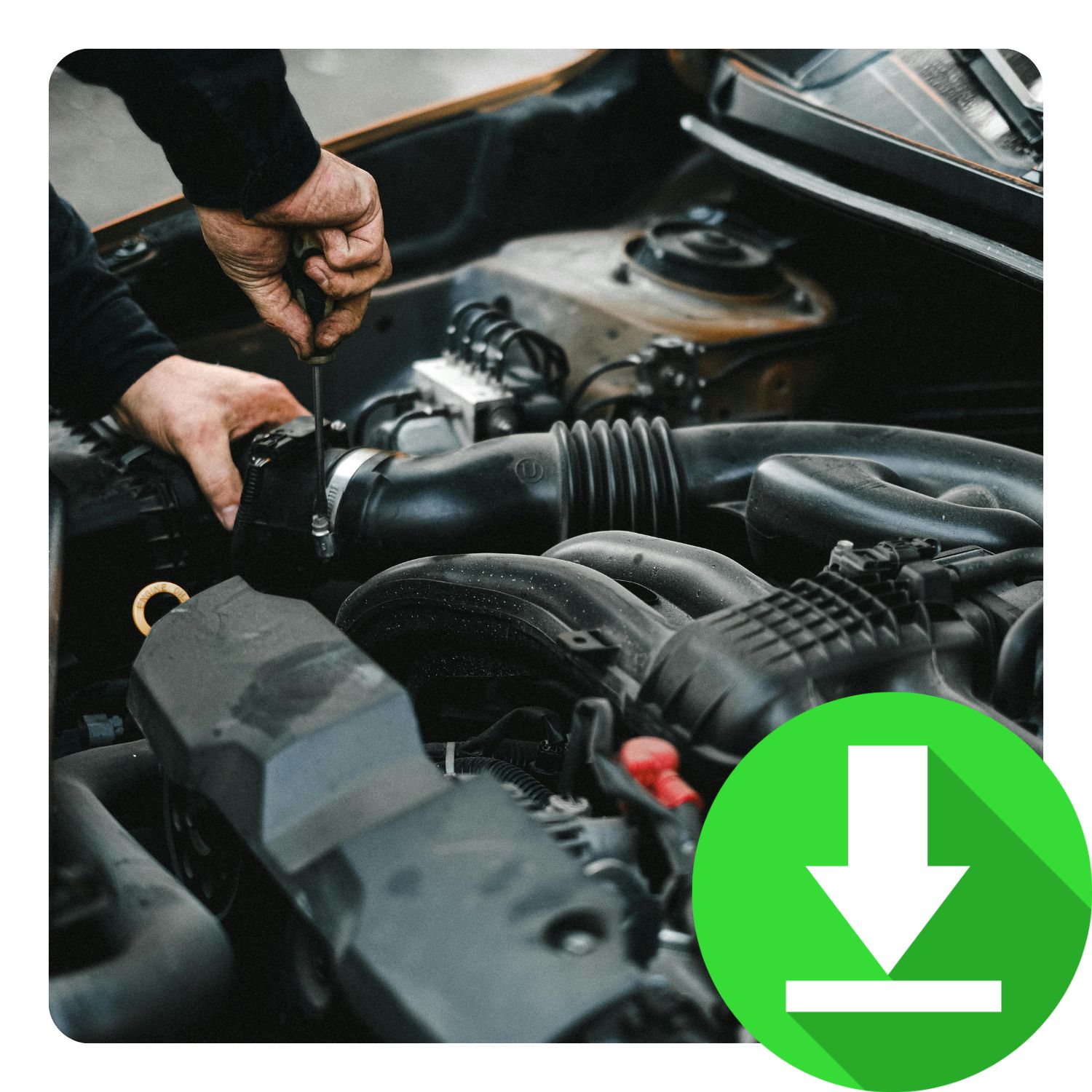
A strong beginner course often begins with the basics of vehicle systems. Students learn how engines work, how power moves through the vehicle, and how different parts connect. That foundation matters because every repair depends on understanding how the whole machine functions.
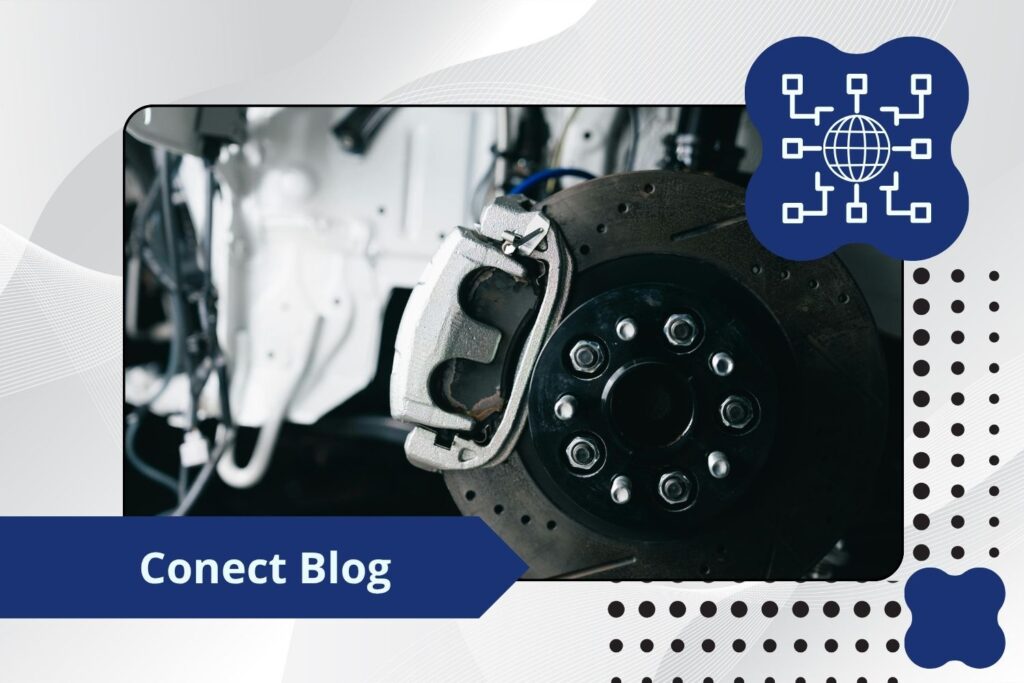
Many courses also cover brakes, suspension, steering, tires, batteries, alternators, and transmission basics. These subjects help beginners recognize common problems and learn how a mechanic approaches a diagnosis. Instead of memorizing random facts, students start to see patterns.
Modern training often includes diagnostic tools too. Learners may study OBD II systems, warning lights, code readers, and simple troubleshooting steps. This part of the course matters because many repairs begin with an electronic signal before anyone opens the hood.
| Automotive Area | What Students Usually Learn | Why It Matters |
|---|---|---|
| Engine Basics | Engine components and functions | Builds core mechanical understanding |
| Brake Systems | Brake inspection and maintenance | Improves vehicle safety awareness |
| Electrical Systems | Batteries, wiring, and fuses | Helps diagnose common problems |
| Diagnostics | OBD II scanners and fault codes | Supports faster troubleshooting |
| Suspension | Steering and suspension basics | Improves driving stability knowledge |
Why Beginners Benefit From Free Training
Free training removes one of the biggest barriers to entry, which often comes down to money. Not everyone can commit to a paid trade school or a long program right away. A free course offers a lower risk path that still delivers useful knowledge.
It also helps learners discover whether they truly enjoy the work. Automotive repair asks for patience, problem solving, and steady focus. Some people love that challenge. Others realize they prefer a different field. A free course helps them find out early, without regret.
Another advantage comes from confidence. A beginner who learns basic terminology, tools, and repair principles feels less lost in a workshop. That confidence can improve job applications, interviews, and first day performance.
The Role Of Certificates
Many free automotive courses offer a certificate after completion. That certificate does not replace formal industry certifications, but it can still help. It shows effort, commitment, and a willingness to learn.
For someone starting from zero, a certificate can make a résumé look more serious. Employers often appreciate candidates who already took the time to build basic knowledge. Even when the certificate holds limited weight on its own, it still sends a positive signal.
Students should also see the certificate as a milestone, not the finish line. A course certificate can support a broader plan that includes practice, mentorship, and future training.
Beyond The Classroom
A good mechanic needs more than textbook knowledge. The job demands observation, steady hands, and a habit of checking details twice. A free course can introduce those habits, but real growth often comes from repetition and practice.
Learners should pay attention to how they organize repairs, document issues, and track progress. A simple notebook, repair log, or digital file can help. These habits train the mind to work like a professional.
Safety also deserves serious attention. Beginners need to learn how to handle tools carefully, protect themselves from injury, and work with respect for the vehicle. Good training never treats safety as an afterthought.
How This Path Fits Career Growth
A free starter course rarely covers everything a working mechanic needs. It gives a starting point, not the full journey. That limitation actually makes the course more useful, because it prepares the learner for the next stage.
After the basics, a student can move toward more advanced certificates, shop experience, or manufacturer specific training. Some learners later pursue ASE certification or specialize in a specific area such as electrical systems, diagnostics, or hybrid vehicles. Each new step builds on the first one.
This approach works well because careers grow through layers. A beginner does not need to master everything immediately. A strong first course creates momentum, and momentum matters.
Who Should Consider This Type Of Course
This kind of course suits several kinds of learners. It works well for people who want to change careers, for students exploring trade work, and for job seekers who want practical skills quickly. It also helps hobbyists who enjoy cars and want to understand how their own vehicles work.
People who like hands on learning often enjoy this path the most. Automotive study combines problem solving, physical work, and visible results. A learner can often see progress quickly, which keeps motivation high.
It also suits people who want flexibility. Many free courses let students study at their own pace, which helps when life already feels full. That structure makes the training easier to fit around work, family, or other responsibilities.
What To Look For In A Good Course
Not every free course offers the same quality. Some focus only on marketing, while others provide genuine educational value. A careful learner should look for clear lesson structure, practical topics, and a respected platform or institution behind the material.
A useful course should explain core systems in plain language. It should also include enough detail to help beginners understand how parts connect. Simple lessons matter, but they should still feel accurate and practical.
The best options also encourage applied learning. Videos, quizzes, examples, and basic exercises help learners remember what they studied. A course that only dumps information without structure usually helps less than one that guides the student step by step.
Realistic Expectations Matter
A free automotive mechanic course can help a beginner, but it cannot replace experience. Reading about engine repair and actually performing it require two different skill sets. Good learners understand that difference and treat the course as the first stage of training.
It also helps to keep expectations realistic about job readiness. A short free course may prepare someone for entry level exposure, but it does not turn a beginner into a master mechanic overnight. Real competence grows through work, repetition, and continued learning.
That said, the course still holds real value. It can help a person move from complete beginner to informed starter, and that change matters a lot.
The Opportunity Behind The Course
The biggest value of a free automotive mechanic course may come from direction. Many people know they want a better future, but they do not know where to begin. A course like this gives them a first map.
That map can lead to part time work, apprenticeship opportunities, deeper training, or a full career shift. It can also help someone make a smarter decision about whether the automotive field fits their goals. In that sense, the course offers both education and clarity.
It also sends an encouraging message. Learning a trade does not always require a large investment on day one. Sometimes the first step only requires curiosity, discipline, and a willingness to start.
Online Learning
Years ago, learning automotive repair often required physical attendance in a workshop from the very beginning. Today, online education changed that reality. Beginners can now study theory, tools, safety practices, and diagnostics from almost anywhere.
This shift helped thousands of people explore technical careers without relocating or paying large tuition costs. It also made automotive education more flexible for workers, students, and parents who need adaptable schedules.
Online learning also allows students to revisit lessons multiple times. That advantage matters because automotive concepts can feel overwhelming at first. Rewatching a lesson about ignition systems or engine timing often improves understanding.
Understanding Basic Engine Concepts
One of the first topics beginners encounter involves how an engine creates power. At first, the process may sound complicated, but the core idea remains simple. Fuel and air enter the engine, combustion creates force, and that force moves the vehicle.
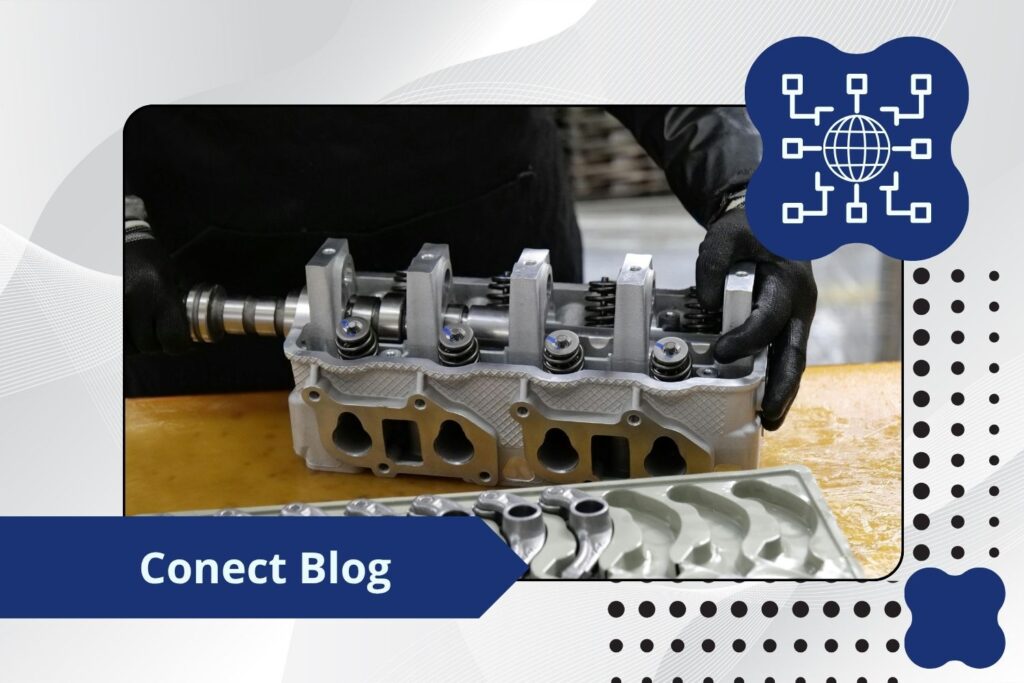
A good course explains cylinders, pistons, spark plugs, valves, and crankshafts in a beginner friendly way. Instead of flooding students with technical language, quality lessons connect each part to its purpose.
Understanding engine basics helps learners gain confidence quickly. Once students recognize how the main components interact, many other automotive systems become easier to understand.
Why Electrical Knowledge Is Becoming Essential
Modern vehicles depend heavily on electrical systems. Even simple cars now include sensors, computers, electronic modules, and advanced lighting systems. Because of this shift, mechanics increasingly need electrical knowledge.
Free automotive courses often introduce batteries, wiring, fuses, relays, and charging systems. These lessons help beginners understand how electricity flows through a vehicle and why electrical failures create different symptoms.
Many new learners initially fear automotive electrical work. However, structured lessons can make the subject far less intimidating. Step by step explanations usually reveal that electrical diagnostics follow logical patterns.
The Growing Importance Of Diagnostic Skills
Modern repair shops rely heavily on diagnostics. Mechanics no longer depend only on visual inspection or sound recognition. They also use scanners, software, and fault codes to identify problems.
A beginner course may introduce diagnostic procedures through simple examples. Students often learn how to interpret warning lights and understand common fault codes. This knowledge creates a strong foundation for future growth.
Good diagnostic habits also save time and money. Instead of replacing random parts, skilled mechanics search for the actual source of a problem. That mindset separates efficient technicians from inexperienced guessers.
Soft Skills That Help Mechanics Succeed
Technical ability matters, but soft skills also shape a successful career. Communication, organization, and reliability can strongly influence how customers and employers view a mechanic.
Many beginners underestimate the importance of explaining repairs clearly. Customers appreciate professionals who speak honestly and avoid confusing jargon. A mechanic who communicates well often builds stronger trust.
Time management also matters in automotive work. Shops depend on efficiency, scheduling, and accurate repair timelines. Learning how to stay organized can improve productivity from the beginning of a career.
Why Hands On Practice Remains Important
Even the best online course cannot replace physical practice. Automotive work requires muscle memory, tool familiarity, and real world problem solving. That experience develops gradually through repetition.
Beginners should look for safe ways to practice basic tasks. Simple maintenance jobs such as oil changes, battery replacement, or brake inspections can reinforce theoretical knowledge. Each completed task builds confidence.
Some learners also benefit from volunteering in community workshops or assisting experienced mechanics. Observing professionals in action often reveals techniques that books alone cannot teach.
Hybrid And Electric Vehicles Are Changing The Industry
The automotive industry continues to evolve rapidly. Hybrid and electric vehicles now appear in many cities around the world, and their popularity keeps growing. This trend affects mechanic training in major ways.
Many modern courses now introduce high voltage systems, regenerative braking, and battery management concepts. Even basic awareness helps future mechanics prepare for long term industry changes.
This shift does not eliminate traditional mechanics. Gasoline vehicles still dominate many regions. However, mechanics who understand newer technologies may gain broader opportunities over time.
The Difference Between Hobby Learning And Professional Learning
Some people study automotive repair for personal interest. Others pursue it as a career path. Both approaches have value, but professional learning usually requires more discipline and consistency.
A hobby learner may focus on personal projects or occasional repairs. A future professional must also learn diagnostics, customer interaction, repair standards, and workplace efficiency.
That difference becomes important when choosing learning goals. Students who want employment should gradually move beyond basic curiosity and develop professional habits early.
Common Mistakes Beginners Should Avoid
Many new learners rush through lessons too quickly. They focus on finishing the course instead of understanding the concepts. That approach creates weak foundations that cause frustration later.
Another common mistake involves ignoring safety procedures. Vehicles contain heavy parts, electrical systems, and hot surfaces that demand careful handling. Safe habits protect both the learner and the vehicle.
Some beginners also spend too much money on tools too early. A smarter approach involves starting with essential tools first and expanding gradually as skills improve.
How Technology Is Reshaping Repair Shops
Repair shops today look very different from older garages shown in movies or television. Computers, digital diagnostics, and electronic service systems now play major roles in daily operations.
Mechanics increasingly work with tablets, software updates, and digital repair manuals. Because of this, modern automotive education often includes technology focused learning alongside mechanical concepts.
This transformation creates both challenges and opportunities. While the field grows more technical, it also rewards people who enjoy continuous learning and problem solving.
Career Opportunities In The Automotive Field
Many people think automotive work only means repairing engines in a local garage. In reality, the industry includes several career paths. Some mechanics specialize in diagnostics, while others focus on transmissions, electrical systems, or performance tuning.
There are also opportunities in fleet maintenance, dealerships, logistics companies, equipment servicing, and technical support roles. Some experienced professionals later become instructors or shop managers.
The field also supports entrepreneurship. Skilled mechanics sometimes open independent repair businesses after gaining enough experience and industry knowledge.
| Career Path | Main Focus | Potential Growth |
|---|---|---|
| General Mechanic | Basic repairs and maintenance | Shop supervisor roles |
| Diagnostic Technician | Electronic and system diagnostics | Advanced specialist positions |
| Fleet Maintenance Technician | Commercial vehicle servicing | Logistics sector opportunities |
| Dealership Technician | Brand specific repairs | Manufacturer training programs |
| Independent Workshop Owner | Business and repair services | Long term entrepreneurship |
Why Curiosity Matters In Automotive Repair
Curiosity often separates average learners from excellent ones. The best mechanics usually ask questions constantly. They want to know why a failure happened, not just how to replace the damaged part.
A curious learner studies symptoms carefully and searches for patterns. This mindset improves diagnostic ability and deepens technical understanding over time.
Free courses can encourage this habit by introducing systems gradually and motivating students to explore further topics independently.
Building A Long Term Learning Mindset
Automotive technology never stands still. New safety systems, software features, and efficiency improvements appear regularly. Because of this, successful mechanics continue learning throughout their careers.
A free beginner course should inspire ongoing education rather than create false confidence. Real growth comes from combining study, practice, and experience across many years.
Mechanics who adapt to industry changes often remain valuable in the job market. Their willingness to learn becomes one of their strongest professional advantages.
Final Reflections On Starting The Journey
Beginning a new career path can feel intimidating, especially in a technical field. Yet free automotive mechanic courses reduce that pressure by giving beginners a structured introduction without major financial risk.
These courses help learners understand vehicle systems, build practical awareness, and explore future opportunities. They also show that automotive repair involves intelligence, patience, and problem solving, not only physical labor.
For motivated learners, one free course can become the first chapter of a much larger professional journey. Every skilled mechanic started somewhere, and many careers begin with the decision to simply learn the basics.
Credits: AzedNews
See More Here! Visit Our Categories!




 English